

Turning your home into a smart home isn’t just about keeping up with new tech—it’s about making life easier, safer, and more comfortable. With the right setup, you can control lights, locks, and temperature from your phone or voice assistant, saving time and energy every day.
What Is Smart Home Automation?
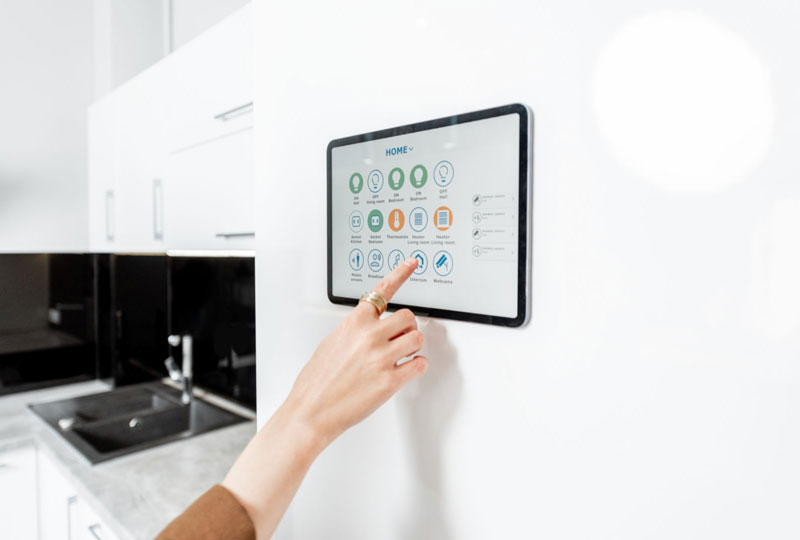
Smart home automation means connecting your devices—like lights, thermostats, and security systems—to a single network. This lets you control everything through your phone, tablet, or voice. It helps your home work for you by saving energy, improving security, and making daily routines more convenient.
Smart devices use different communication systems, like Wi-Fi, Zigbee, or Z-Wave. Choosing products that work well together helps everything run smoothly. You can also create custom schedules—like turning off lights when you leave or adjusting the thermostat before bed.
Choosing the Right Smart Hub
A smart hub connects all your devices so they can work together. When choosing one, look for:
- Support: Good customer service helps when you need troubleshooting.
- Compatibility: Make sure it works with your existing devices (Wi-Fi, Zigbee, Z-Wave).
- Ease of use: A simple app helps you control everything easily.
- Security: Choose a hub that gets regular updates and uses secure connections.
- Future growth: Pick one that can support new devices as technology changes.
Integrating Smart Lighting Solutions
Smart lighting lets you control brightness, color, and timing from your phone or with your voice.
- Save energy: Lights turn off automatically when not needed.
- Remote control: Turn lights on and off when you’re away for security.
- Set moods: Create lighting scenes for dinner, movie night, or bedtime.
Smart lighting adds comfort, safety, and efficiency to your home.
Climate Control Systems
Smart thermostats keep your home comfortable and lower energy bills. They learn your schedule, adjust temperatures automatically, and can be controlled remotely.
You can also use:
- Maintenance checks: Clean filters and seal windows to help your system run better.
- Sensors: Adjust temperatures in empty rooms to save power.
- Zoning systems: Control temperatures in different rooms separately.
Smart Locks
Smart locks make your home safer and more convenient.
- Remote access: Lock or unlock doors from your phone.
- Access codes: Give family, friends, or service providers their own codes.
- Auto-locking: Doors can lock automatically when you leave.
Smart locks help you manage security without worrying about lost keys.
Installing Smart Cameras and Alarms
Smart cameras and alarms keep your home protected with real-time updates.
- HD cameras: Get clear day and night video.
- Two-way audio: Talk to visitors or delivery drivers from your phone.
- Motion sensors: Detect movement and send alerts.
- Smart alarms: Work with your phone and other smart devices.
Place cameras at main entrances and high-traffic areas. Update software often for the best security.
Managing Energy With Smart Plugs
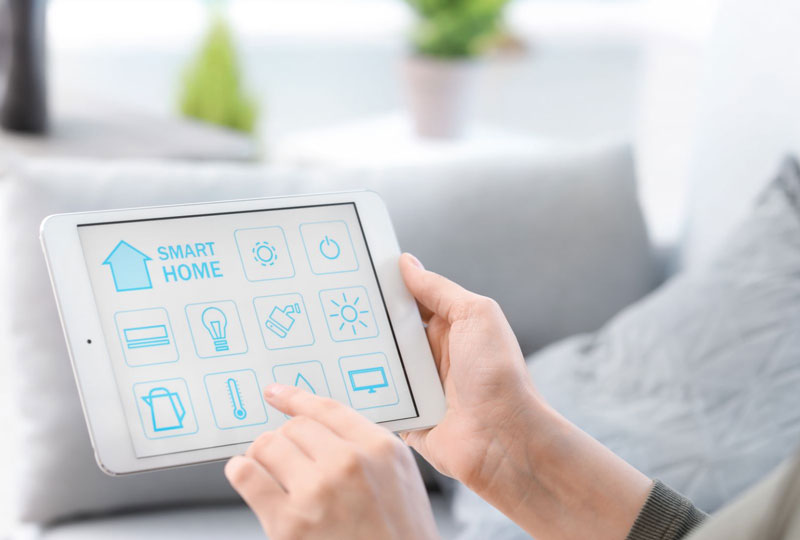
Smart plugs are one of the easiest ways to save energy.
- Track usage: See how much power each device uses.
- Set schedules: Turn devices on or off automatically.
- Remote control: Manage devices from anywhere.
They’re affordable and great for beginners in smart home tech.
Streamlining Daily Tasks With Voice Assistants
Voice assistants like Alexa, Google Assistant, or Siri make automation even easier.
- Control lights, thermostats, and locks with simple commands.
- Set routines like “Good morning” or “Goodnight” to automate daily tasks.
- Get reminders, play music, or check the weather hands-free.
Voice assistants save time and make smart homes more personal and fun.
Ensuring Network Security and Privacy
Smart homes rely on internet connections, so security is key.
- Secure Wi-Fi: Use strong passwords and WPA3 encryption.
- Unique passwords: Give each device its own password.
- Separate networks: Use a guest network for smart devices.
- Update regularly: Keep software and firmware current.
These steps help protect your home from cyber threats.
Planning for Future Smart Upgrades
Smart home technology keeps improving, so plan ahead:
- Choose devices that can update over time.
- Focus on products that work together easily.
- Check for energy-saving and accessibility features.
- Keep systems maintained with regular updates.
Smart homes can also help family members with mobility needs, making daily life easier for everyone.
Conclusion
Smart home automation makes your home safer, more comfortable, and more efficient. Choose a reliable hub, add smart lighting and climate control, and enhance security with locks and cameras. Manage energy with smart plugs and automate tasks with voice assistants.
By staying secure and planning for the future, you’ll enjoy a connected home that saves time, reduces costs, and improves your family’s quality of life.
Frequently Asked Questions
How Can Smart Home Automation Improve Accessibility for People With Disabilities?
Smart home automation makes life easier for people with disabilities. It lets you control lights, locks, and other devices with your voice or phone. This helps with daily tasks, improves safety, and supports independent, comfortable living.
What Are the Cost-Effective Options for Beginners in Smart Home Technology?
You can start with affordable smart plugs and light bulbs to make your home more efficient. Add a smart speaker for easy voice control. These simple upgrades save energy, make life easier, and fit almost any budget.
Can Smart Home Devices Be Integrated With Existing Non-Smart Appliances?
You can use smart plugs, switches, and adapters to turn regular appliances into smart ones. This lets you control them remotely, set schedules, and make your home more convenient and efficient.
How Do I Troubleshoot Connectivity Issues With My Smart Devices?
If your smart devices aren’t connecting, try restarting your router and the devices. Make sure they’re on the same Wi-Fi network. Check for software updates, and adjust your router settings to reduce interference. If the problem continues, contact the device’s support team for help.
What Are the Environmental Benefits of Smart Home Automation?
Smart devices can help you save energy by adjusting heating, cooling, and lighting based on when rooms are in use. This cuts waste, lowers bills, and makes your home more efficient and eco-friendly.