
Do your circuit breakers trip often, or do your lights flicker? These can be signs that your electrical panel isn’t keeping up with your home’s power needs. If you have an old fuse box, you might wonder if it’s still safe for today’s technology. Strange sounds or a burning smell near your panel can mean serious problems. Is your home’s electrical system at risk? Let’s look at what these warning signs mean for your safety.
Frequent Circuit Breaker Trips
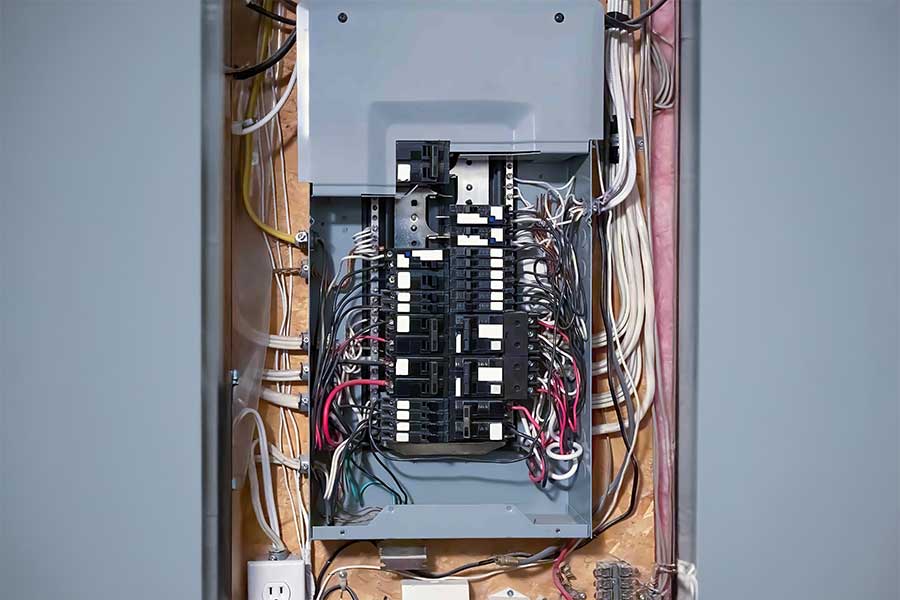
If your circuit breakers trip often, your electrical panel may need an upgrade. Frequent tripping means your system can’t handle the amount of power your home uses. This isn’t just annoying—it can be dangerous. Overloaded circuits can overheat and cause fires, so it’s important to fix the problem quickly.
Start by looking at how much electricity you use and what appliances you have. Older panels (60–100 amps) may not be enough for today’s homes, which often need 200 amps or more. If your breakers trip when you use several devices at once, call a licensed electrician. They can check your panel and tell you if it’s time to upgrade.
Upgrading your electrical panel helps prevent tripping and makes your home safer and more efficient. It’s a smart way to protect your home and your family.
Flickering or Dimming Lights
Flickering or dimming lights might seem like a small problem, but they can mean your electrical panel has issues. This happens when voltage changes cause your system to work too hard, especially when big appliances like your fridge or AC turn on. If your panel can’t handle the load, it might be time for an upgrade.
If lights flicker all over your home, your panel might be old or overloaded. Loose wires or poor connections can also cause dimming and may be a fire risk.
Call a licensed electrician to check your panel and wiring. They can tell you if you need an upgrade. Fixing the problem early can save money and keep your home safe and reliable.
Strange Noises From the Panel
If you hear strange sounds like buzzing, humming, or crackling from your electrical panel, don’t ignore them. These noises can mean there’s a problem, such as loose wires, too much power on one circuit, or old breakers. All of these can be fire hazards.
Check if the panel feels warm—this could be a sign of overheating or bad connections. Loose wires can cause sparks and make popping or crackling sounds. A steady hum or buzz may mean your system is overloaded.
Call a licensed electrician right away to inspect your panel. They’ll find the cause and fix it safely. Taking care of this quickly helps protect your home and everyone in it.
Burning Smell or Scorch Marks
If you smell something burning or see scorch marks near your electrical panel, act fast. These are warning signs of overheating or bad wiring, which can cause electrical fires and put your home at risk.
Here’s what might be happening:
- Overloaded circuits: Your panel is handling too much power and is overheating.
- Faulty wiring: Old or damaged wires can spark and cause burning smells or marks.
- Corroded connections: Moisture or rust can damage connections, leading to sparks and fire risk.
- Improper installation: A poorly installed panel can overheat and create burn marks.
Call a licensed electrician right away to inspect the problem. Fixing it quickly keeps your home and family safe.
Outdated Fuse Box System
If your home still has a fuse box instead of a circuit breaker panel, it may be time for an upgrade. Old fuse boxes, common in homes built before the 1960s, aren’t made to handle today’s electrical needs.
Blown fuses can mean your system is overloaded, which can lead to electrical fires. Fuse boxes also can’t easily support new appliances or added circuits. Modern breaker panels are safer, more reliable, and easier to use.
Upgrading your electrical panel helps keep your home safe, efficient, and ready for modern technology.
Insufficient Power for Appliances
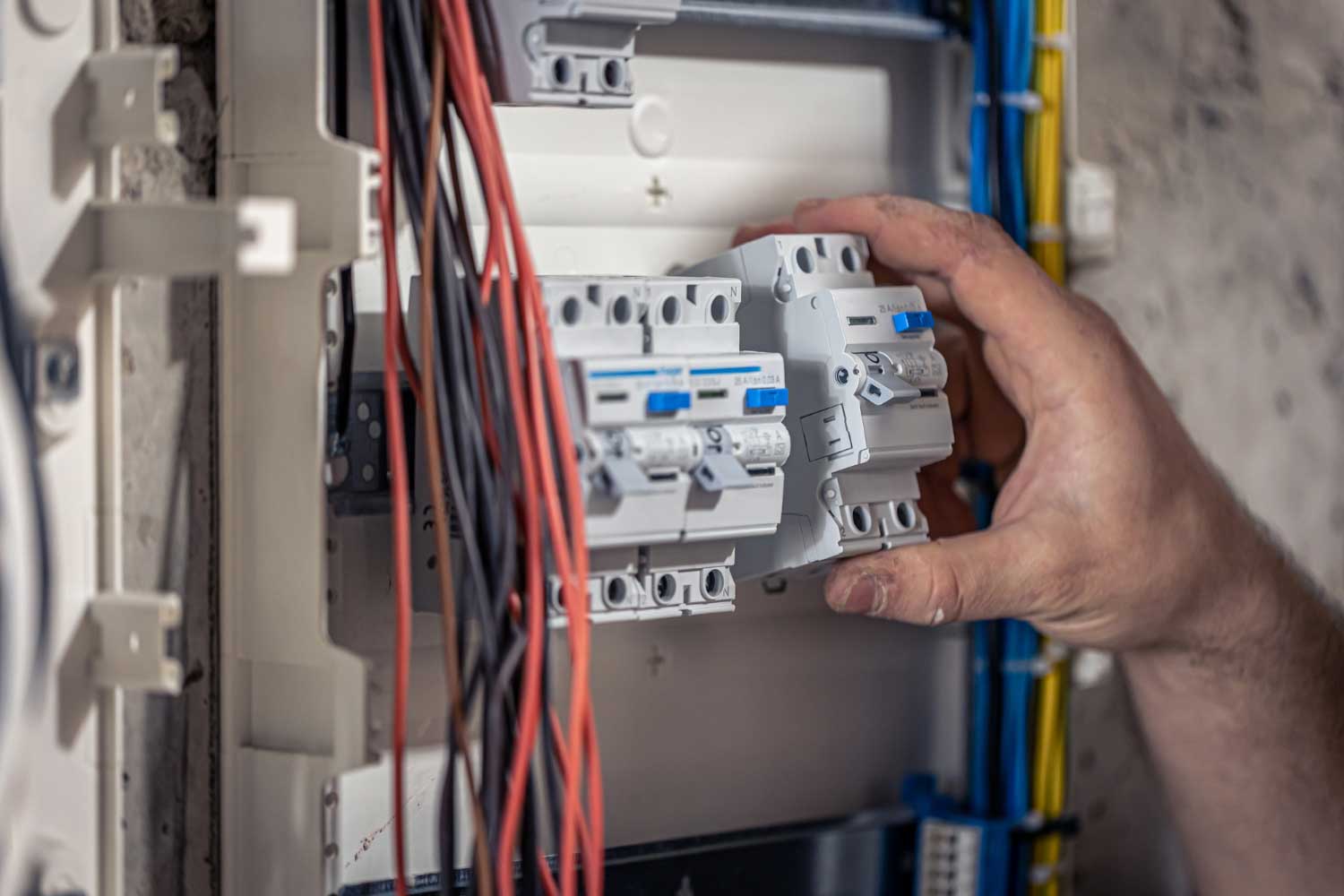
Many homes don’t have enough power for all their appliances, which can mean the electrical panel is old or too small. When the panel can’t handle the load, it can cause problems and even safety risks.
Here are some signs to watch for:
- Frequent breaker trips: If breakers trip often, your panel might be overloaded and could become a fire hazard.
- Flickering or dim lights: Lights that flicker when you use other appliances mean your panel can’t spread power evenly.
- Not enough outlets: If you use lots of power strips or extension cords, your panel might not meet your home’s needs.
- Old panel: Panels over 25 years old usually can’t handle modern power demands.
If you notice these signs, it may be time to upgrade your panel. Doing so keeps your home safe and helps everything run smoothly.
Overheating Electrical Panel
Breaker trips, dim lights, and few outlets aren’t the only signs of electrical problems. If your electrical panel feels warm or hot to the touch, it may be overheating—and that’s a serious safety risk. A burning smell, scorch marks, or melted wires are warning signs that need quick action to prevent fires.
An overheating panel usually means it’s carrying more power than it should. If your system is using more than 80% of the panel’s capacity, it’s time to consider an upgrade.
Call a licensed electrician to inspect your panel, check the wiring, and make sure everything is safe. Fixing the problem early helps protect your home, your family, and your community from electrical dangers.
Addition of New Major Appliances
Adding big appliances to your home—like an air conditioner, electric stove, or hot tub—can put extra strain on your electrical panel. If the panel can’t handle the extra power, it may cause breaker trips or safety issues.
Here’s what to check:
- Appliance power: Look at the wattage and voltage of your new appliances. Some may need more power than your panel can provide.
- Circuit load: If circuits are already full, your panel might not safely handle more appliances.
- Panel size: Most homes have 100–200 amp panels. You may need a larger one for high-demand items.
- Future needs: If you plan to add more appliances or expand your home, upgrading now can save time and money later.
Making sure your panel can handle new appliances keeps your home safe and your power running smoothly.
Melted or Frayed Wiring
Melted or frayed wires are a serious warning sign that your electrical panel may need an upgrade. This damage can happen when circuits are overloaded or when the panel is old. Damaged wires can cause electrical fires or shocks, so it’s important to check your wiring regularly—especially near your panel and large appliances.
Melted wires usually mean your panel can’t handle the power load, causing overheating and worn-out insulation. Frayed wires can come from age, rodents, or physical damage. Both can make your home unsafe and less efficient.
Call a licensed electrician to inspect your wiring and panel. They can tell you what repairs or upgrades are needed. Fixing the problem early helps keep your home safe and ready for your family’s power needs.
Upgrade for Home Renovations
When you remodel your home, it’s important to upgrade your electrical panel. This makes sure your home can safely handle the extra power new appliances and systems need. Skipping this step can cause overloaded circuits, tripped breakers, or even fire risks.
Here’s why upgrading your panel during renovations matters:
- More power capacity: New rooms and appliances use more electricity, and an upgraded panel prevents overloads.
- Better safety: Old panels may not meet today’s safety standards. A new one lowers the risk of electrical fires.
- Ready for the future: A modern panel can support smart home devices or EV chargers later on.
- Higher home value: A safe, updated electrical system makes your home more attractive to buyers.
Conclusion
If you have electrical problems like tripped breakers, flickering lights, or burning smells, don’t wait to take action. These are signs your electrical panel may be old or overloaded, which can be a fire hazard.
Call a licensed electrician to check your panel and upgrade it if needed. Keeping your system safe and efficient helps protect your home and family from electrical dangers.
Frequently Asked Questions
How Often Should I Have My Electrical Panel Inspected?
You should have your electrical panel checked every 3 to 5 years. Regular inspections help keep your home safe and prevent problems before they start. Taking care of your electrical system helps protect your family and guests.
Can Outdated Panels Increase My Electricity Bills?
Yes, old electrical panels can raise your energy bills. When your panel doesn’t distribute power efficiently, it uses more electricity. Upgrading to a newer panel helps your system run better, stay safe, and keep costs lower. It’s a good idea to have a professional check your panel.
What Are the Benefits of Upgrading to a Smart Electrical Panel?
A smart electrical panel lets you track your energy use, save power, and lower costs. It also improves safety by spotting problems early and preventing overloads. Plus, it helps the environment by using energy more efficiently and reducing strain on the power grid.
How Long Does an Electrical Panel Upgrade Typically Take?
Upgrading an electrical panel usually takes about one day. A licensed electrician will check your home’s power needs, replace old parts, and test everything to make sure it’s safe and reliable.
Will My Home’s Insurance Cover the Cost of an Electrical Panel Upgrade?
Your home insurance may cover an electrical panel upgrade if it’s needed for safety or to meet code requirements. Check your policy to be sure. Knowing what’s covered helps keep your home and family protected.